From B-rated sci-fi to soft porn to The Godfather and Apocalypse Now and beyond, Francis Ford Coppola has undeniably had a very varied and successful career. Here are all of the movies he has directed over the last 49 years.
Mainstream success is often thwarted when a director decides to make a religious film. For the most part, these films are focused at ‘specialty audiences’ that choose their films out of a sense of pious duty instead of interest. However, there are a small amount of directors who are able to bring religion into a cinematic perspective and create a film that funnels crowds of religious and non-religious people alike. Some examples include Mel Gibson with his highly successful Passion of the Christ (2004) and Cecil B. DeMille’s groundbreaking epic The Ten Commandments (1956). These films attempted to show the beauty and power of God in all its cinematic artistry.
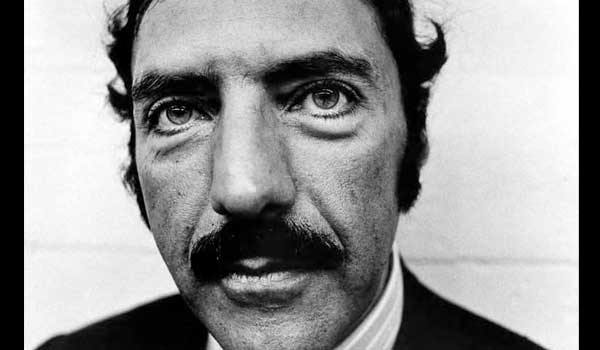
On the flip side of the coin are directors like William Peter Blatty who have taken ideas from religion to show a much darker vision to audiences. With his first novel, Blatty was able to take one of the scariest characters from biblical text and turn it into a terrifyingly cinematic monster. The result was the notoriously frightening film entitled The Exorcist (1973). The film launched Blatty into success not only because the film was frightening but also because it was based on an actual occurrence.
When Blatty was in college, he read in a newspaper about a young boy who was demon possessed in the local area. The story intrigued him for years and inspired the film that is now considered a masterpiece. After this film came many other films including The Exorcist 3: Legion (1990) which Blatty directed, and the most recent exorcism film Dominion: Prequel to the Exorcist (2005). While Blatty has written, starred in and directed many films to date, these are the films that he will most likely be remembered for in the future and will be a great influence to film makers yet to come.
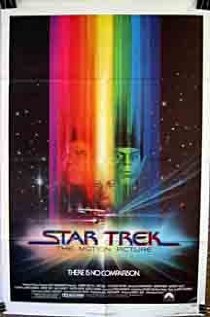
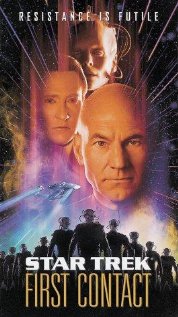
Star Trek…The Final Frontier…that just keeps going and going and going, with each movie being somehow better than the last. Here are all of the films, from 1979 to the newest prequel. Enjoy! I mean, Live long and prosper!
Any avid adult readers in the 1980’s knew who Bret Easton Ellis was. The film circles had the ‘Brat Pack’ consisting of young stars and starlets who were taking the world by storm. The reading circles had their literary version, consisting of young writers who were capturing the world by storm. Out of the literary ingénues came Jay McInerney, Tama Janowitz and, of course, Bret Easton Ellis.
Ellis’ first novel entitled Less Than Zero gained monumental success by the time Ellis was a mere 21 years old. His writing style reflected a life that most people had never seen nor imagined in their lifetime. His novels led readers into a world where wealthy, upper class kids squandered their opportunities, engaged in drugs and partying and lived an overall self-absorbed lifestyle even to the point of their own destruction. Audiences had not seen anything like Ellis’ work before and received him with open arms, ready to hear more about this world that few hold the key to.
Hollywood noticed the marketability of Ellis’ work as well and requested that Less Than Zero be turned into a movie. Ellis agreed and the result is the deeply depressing and shocking 1987 film of the same name. Since that film’s release, Ellis has been able to turn many of his other novels into major motion pictures- some that were received with great honor by the film industry.
The dialogue is always insightful and full of literary symbolism that would make even the most gifted poet green with envy. The stories draw the audience in like a teenage boy to a peephole. We are guilty but desperate to know what Easton has on the other side of the wall for us to see.
A lot can be learned from Easton novels and the screenplays that have resulted from his mastery of the English language.
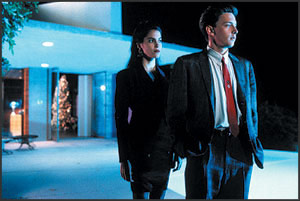
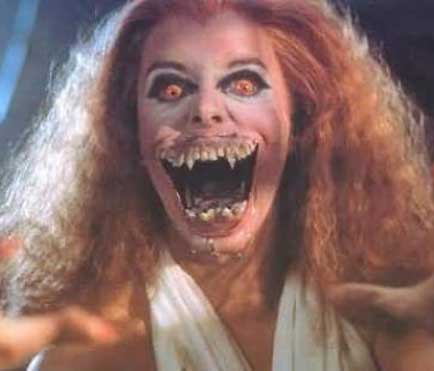
With the release of the new Fright Night (2011) film starring Collin Farrell and David Tennant (Dr. Who), many people are dusting off their old VHS copies of the original film that was made in 1985. This is not to say that the remake isn’t any good. In fact, the new rendition of the classic Fright Night could probably be blamed for the rising popularity of the original film which has jumped up to the top 500 films that are searched on IMDB the week of the remake’s release! Amidst all the excitement, Tom Holland (the director and writer of the original film) has come to the attention of the press as being the cause of this uprising of nostalgic horror movie fans… and with good cause!
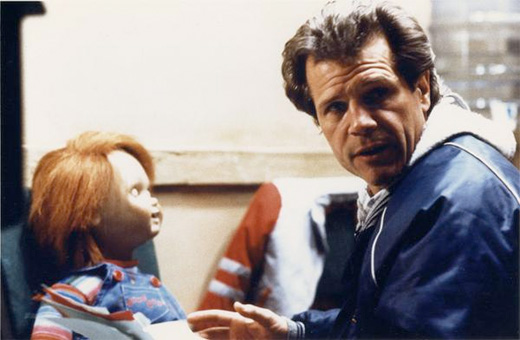
Tom Holland is a director and writer of horror films including Psycho II and Child’s Play. He has worked alongside big name actors and directors, including Stephen King and Anthony Perkins and has contributed a great amount of distinguished horror films to mainstream audiences. Fright Night was his directorial debut and carries a great amount of his individual style and ideas. His films are notable for their vibrant dialogue, personable heroes and intense film shots. Combined, they have earned Holland a place on the list of the most influential horror film writers/directors of this time.
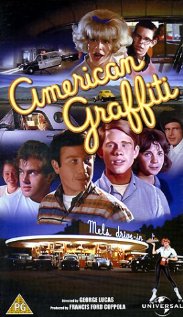
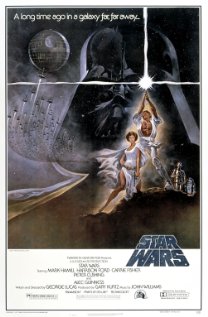
George Lucas has had a stunning career, being best known for his brilliant Star Wars and Indiana Jones film series. Lucas, however, has not actually written or directed that many movies, apparently preferring to produce them instead. Here are all of the movies he has written or directed to date.
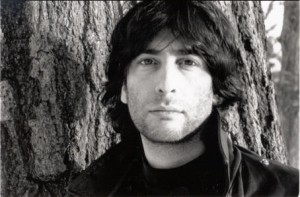
Despite the fact that Neil Gaiman is not a film director, he has made a significant impact on the film community. This 43 year old actor is one of the most well received authors of this generation and has spread his exciting storytelling style to many different genres including music and film. In the animation film genre, Gaiman re-wrote the script for Princess Mononoke so it would be better received by American audiences. In addition, Gaiman is responsible for the story that led to the development of the popular children’s film Coraline. Gaiman wrote several short stories (of which the film was based) and the idea was turned into a screenplay by another writer.
In addition to these two films, Gaiman also co-wrote the script for Beowulf, the major motion picture made in 2007. While the idea for the film was not his own (based on an ancient mythological story), he brought the story new life with stunning dialogue. Another major motion picture that he was involved with is Stardust which bragged an all-star cast and was based on a novel that Gaiman had written previously.
Undoubtedly, the film community has realized that Gaiman has a way with storytelling that cannot be taken for granted. Whether he is writing a script, novel or short story, Gaiman is able to turn everyday words into an exciting secret that everyone wants to hear.
Dracula, Star Wars, Robin Hood, Alfred Hitchcock, Frankenstein… is there any movie that Mel Brooks hasn’t made fun of?
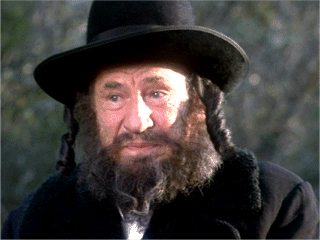
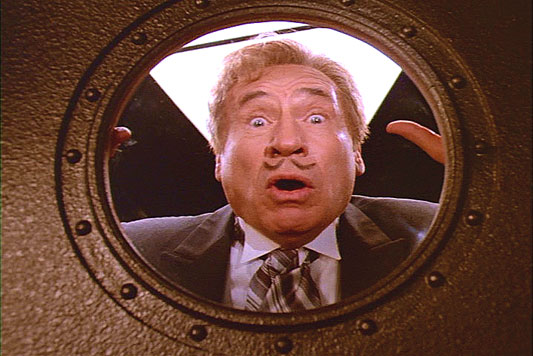
Since his directing career started in 1968, Brooks has consistently come out with hilarious films poking fun at some of the classic films of his lifetime. With his first spoof film, Blazing Saddles (1974), Brooks perfected a genre that had only been dabbled in by other directors. In the film, he pointed fun at racism, sexuality and gender stereotypes in a way that made taboo subjects seem more human. With his next film, Young Frankenstein (1974), Brooks solidified his image of the Spoof King of Comedy and continued fighting for his crown for years to come.
While Brooks continues to have a heavy cult following of people who adore his sense of humor, his popularity with mainstream audiences has been steadily decreasing since he came out with Robin Hood: Men in Tights (1993). However, this is not due to a lower quality of work on Brooks’ part, but could be influenced by the fact that Brooks has continued to have his unique sense of humor in a world that is ever-changing. Brooks has not changed his style- he continuously makes films that carry the signature traits of his dynamic comedic style which is seen in copycat filmmakers such as the creators of Scary Movie, Epic Movie and the rest of the franchise.
The timing and easy flow of Brooks’ scripts show the mastery that Brooks had of his subject. He was able to dig beneath the surface and create humor about stories that were heavy with sadness and drama. That talent has made him an icon to many people today and surely will lead to a greater appreciation of spoof films in the future.